Advanced Biofilm Mapping™
Understanding the biology behind your gum health
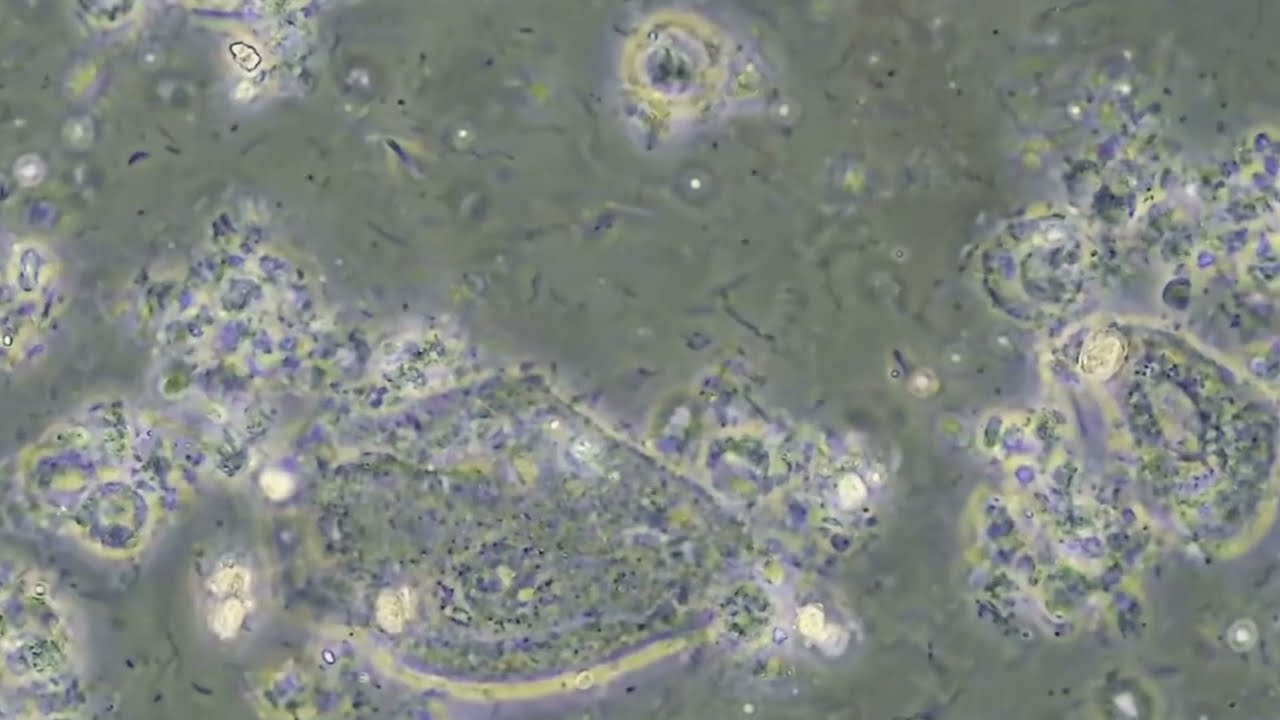
Mint Dental Hygiene uses live phase-contrast microscopy to bring your oral biofilm into focus—connecting what you see with a deeper understanding of gum health and the mouth–body relationship.
Biofilm: more than plaque
Dental plaque is a living community of bacteria and other microorganisms, including fungi such as yeasts, held within a protective matrix.
Many naturally coexist in a healthy mouth. When biofilm accumulates undisturbed, conditions can favour organisms associated with disease. The protective structure makes established biofilm harder to control, which is why physical disruption through daily cleaning and professional treatment is essential.
How bacteria affect your gums
Gum disease develops through an interaction between plaque microorganisms and your body’s inflammatory response.
Bacterial products can trigger inflammation. In susceptible people, persistent inflammation damages the tissues and bone supporting the teeth. Around implants, biofilm can also contribute to inflammation and loss of supporting tissue.
Your susceptibility is influenced by factors including smoking, diabetes, medical history and plaque control. The focus is effective biofilm management and lasting tissue stability.
The mouth–body connection
Inflamed periodontal tissues can provide a route for oral bacteria and bacterial products to enter the bloodstream. Persistent periodontal inflammation may also contribute to the body’s wider inflammatory burden.
Personal insight, informed care
Advanced Biofilm Mapping™ lets you observe microbial shapes, movement and other features within your own plaque sample.
Nova relates these observations to your gum assessment, medical history and home-care needs. Microscopy supports education; it does not identify every organism, diagnose systemic disease or replace periodontal examination.
Understand your biofilm. Take an informed approach to your health.
Explore Our Biological Approach · View Our Price Guide
Mint Dental Hygiene uses live phase-contrast microscopy to bring your oral biofilm into focus—connecting what you see with a deeper understanding of gum health and the mouth–body relationship.
Biofilm: more than plaque
Dental plaque is a living community of bacteria and other microorganisms, including fungi such as yeasts, held within a protective matrix.
Many naturally coexist in a healthy mouth. When biofilm accumulates undisturbed, conditions can favour organisms associated with disease. The protective structure makes established biofilm harder to control, which is why physical disruption through daily cleaning and professional treatment is essential.
How bacteria affect your gums
Gum disease develops through an interaction between plaque microorganisms and your body’s inflammatory response.
Bacterial products can trigger inflammation. In susceptible people, persistent inflammation damages the tissues and bone supporting the teeth. Around implants, biofilm can also contribute to inflammation and loss of supporting tissue.
Your susceptibility is influenced by factors including smoking, diabetes, medical history and plaque control. The focus is effective biofilm management and lasting tissue stability.
The mouth–body connection
Inflamed periodontal tissues can provide a route for oral bacteria and bacterial products to enter the bloodstream. Persistent periodontal inflammation may also contribute to the body’s wider inflammatory burden.
Personal insight, informed care
Advanced Biofilm Mapping™ lets you observe microbial shapes, movement and other features within your own plaque sample.
Nova relates these observations to your gum assessment, medical history and home-care needs. Microscopy supports education; it does not identify every organism, diagnose systemic disease or replace periodontal examination.
Understand your biofilm. Take an informed approach to your health.
Explore Our Biological Approach · View Our Price Guide
