Understanding Biofilm and Its Impact on Oral Health
Your mouth contains over 700 different strains of bacteria which naturally form a sticky layer known as biofilm. When this biofilm is not effectively disrupted daily, it can lead to inflammation of the gums and the development of conditions such as gingivitis, periodontitis, and peri-implantitis.
According to the World Health Organization, gum disease affects over half of adults worldwide and remains one of the leading causes of tooth loss. Even patients who brush regularly can still develop periodontal disease if biofilm accumulates beneath the gum line or in difficult-to-clean areas.
At Mint Dental Hygiene, we utilise advanced phase contrast microscopy technology to visually monitor live oral biofilm in real time — a technology not widely used within dental hygiene practices in New Zealand. This allows patients to better understand plaque activity, inflammation, and the importance of ongoing preventive care by seeing changes within their own oral environment on screen.
Research continues to show strong links between chronic oral inflammation and wider health conditions including diabetes, cardiovascular disease, stroke, and respiratory illness.
Dental hygienists are specially trained in the prevention, monitoring, and treatment of gum disease. Through professional biofilm removal, personalised oral hygiene guidance, and advanced monitoring technology, regular hygiene visits help support healthier teeth, gums, implants, and long-term oral health.
According to the World Health Organization, gum disease affects over half of adults worldwide and remains one of the leading causes of tooth loss. Even patients who brush regularly can still develop periodontal disease if biofilm accumulates beneath the gum line or in difficult-to-clean areas.
At Mint Dental Hygiene, we utilise advanced phase contrast microscopy technology to visually monitor live oral biofilm in real time — a technology not widely used within dental hygiene practices in New Zealand. This allows patients to better understand plaque activity, inflammation, and the importance of ongoing preventive care by seeing changes within their own oral environment on screen.
Research continues to show strong links between chronic oral inflammation and wider health conditions including diabetes, cardiovascular disease, stroke, and respiratory illness.
Dental hygienists are specially trained in the prevention, monitoring, and treatment of gum disease. Through professional biofilm removal, personalised oral hygiene guidance, and advanced monitoring technology, regular hygiene visits help support healthier teeth, gums, implants, and long-term oral health.
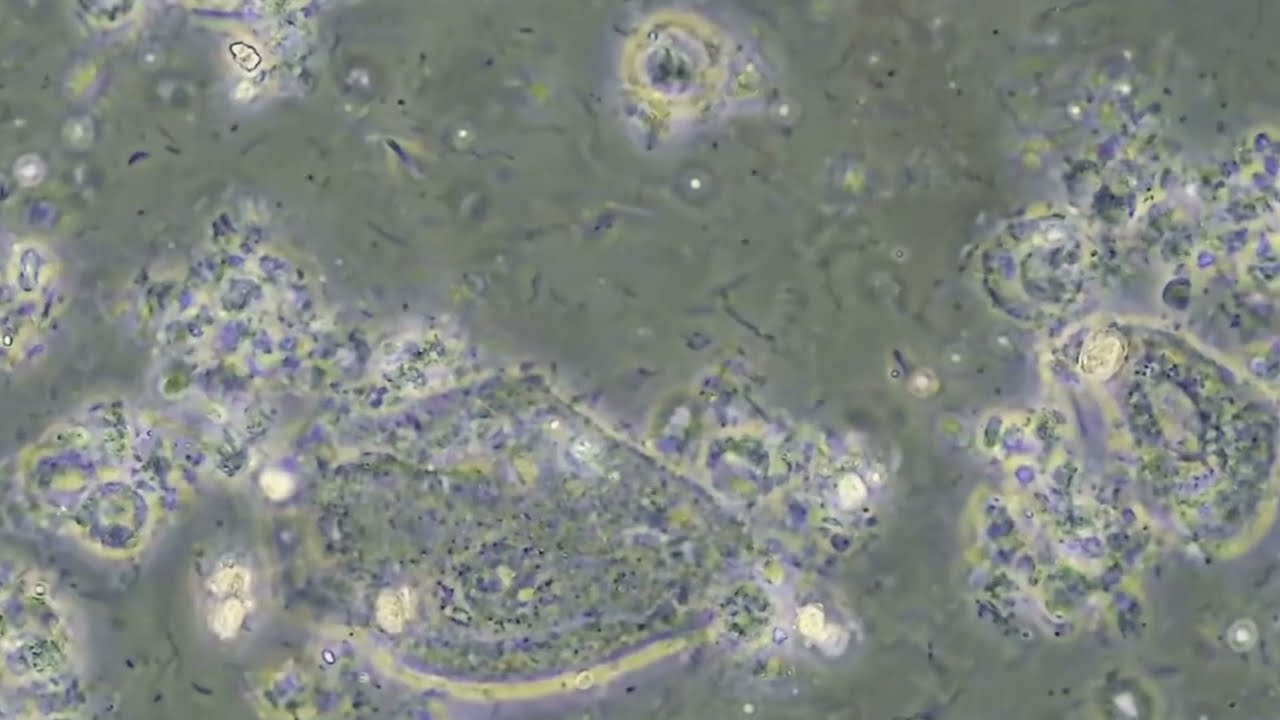
Advanced Biofilm Monitoring with Phase Contrast Microscopy
At Mint Dental Hygiene, we believe patient education should go beyond simply being told there is inflammation present. Understanding what is happening inside the mouth visually can create a far greater awareness of oral health and the importance of daily plaque disruption.
We are pleased to offer advanced live biofilm monitoring using phase contrast microscopy technology — a system not widely used within general dental hygiene practices in New Zealand.
What Is Phase Contrast Microscopy?
Phase contrast microscopy is an advanced imaging system that allows naturally transparent plaque biofilm to be viewed live on screen without the need for staining or dyes.
Using a small sample of plaque collected comfortably during your appointment, we can visualise bacterial biofilm activity in real time and monitor changes in oral hygiene and gum health over time.
This technology can help patients better understand:• Why gums bleed• Areas of plaque stagnation• The importance of daily home care• Biofilm accumulation around implants and difficult areas• The difference between active inflammation and stable maintenance
A More Personalised Approach to Preventive Care
Many patients have never seen the bacteria and biofilm responsible for chronic gum inflammation. Seeing these changes visually often creates a much stronger understanding of oral health than verbal explanations alone.
Biofilm monitoring may be particularly beneficial for:• Periodontal disease monitoring• Implant maintenance• Bleeding gums• Orthodontic patients• Dry mouth sufferers• Smokers• Patients struggling with plaque build-up• Patients wanting a more advanced preventive approach
Monitoring Changes Over Time
One of the greatest benefits of phase contrast microscopy is the ability to monitor changes in oral biofilm environments over time.
This allows us to assess:• Improvements in plaque disruption• Response to hygiene treatment• Stability of periodontal maintenance• Implant tissue health• Long-term oral hygiene consistency
Rather than relying purely on symptoms, this visual approach helps create a clearer picture of how the oral environment is responding to treatment and home care routines.
Advanced Technology with a Preventive Focus
At Mint Dental Hygiene, our focus has always been centred around prevention, education, and minimally invasive care. The addition of live biofilm imaging further supports our commitment to providing advanced hygiene techniques and technology designed to help patients better understand and maintain their oral health.
Please note:Phase contrast microscopy is used as an educational and monitoring tool to support preventive dental hygiene care. It is not intended to diagnose medical conditions or replace dental examinations and periodontal assessments.
To learn more about advanced biofilm monitoring or to book an appointment, please contact Mint Dental Hygiene.
We are pleased to offer advanced live biofilm monitoring using phase contrast microscopy technology — a system not widely used within general dental hygiene practices in New Zealand.
What Is Phase Contrast Microscopy?
Phase contrast microscopy is an advanced imaging system that allows naturally transparent plaque biofilm to be viewed live on screen without the need for staining or dyes.
Using a small sample of plaque collected comfortably during your appointment, we can visualise bacterial biofilm activity in real time and monitor changes in oral hygiene and gum health over time.
This technology can help patients better understand:• Why gums bleed• Areas of plaque stagnation• The importance of daily home care• Biofilm accumulation around implants and difficult areas• The difference between active inflammation and stable maintenance
A More Personalised Approach to Preventive Care
Many patients have never seen the bacteria and biofilm responsible for chronic gum inflammation. Seeing these changes visually often creates a much stronger understanding of oral health than verbal explanations alone.
Biofilm monitoring may be particularly beneficial for:• Periodontal disease monitoring• Implant maintenance• Bleeding gums• Orthodontic patients• Dry mouth sufferers• Smokers• Patients struggling with plaque build-up• Patients wanting a more advanced preventive approach
Monitoring Changes Over Time
One of the greatest benefits of phase contrast microscopy is the ability to monitor changes in oral biofilm environments over time.
This allows us to assess:• Improvements in plaque disruption• Response to hygiene treatment• Stability of periodontal maintenance• Implant tissue health• Long-term oral hygiene consistency
Rather than relying purely on symptoms, this visual approach helps create a clearer picture of how the oral environment is responding to treatment and home care routines.
Advanced Technology with a Preventive Focus
At Mint Dental Hygiene, our focus has always been centred around prevention, education, and minimally invasive care. The addition of live biofilm imaging further supports our commitment to providing advanced hygiene techniques and technology designed to help patients better understand and maintain their oral health.
Please note:Phase contrast microscopy is used as an educational and monitoring tool to support preventive dental hygiene care. It is not intended to diagnose medical conditions or replace dental examinations and periodontal assessments.
To learn more about advanced biofilm monitoring or to book an appointment, please contact Mint Dental Hygiene.
.png@webp "image title")